You hit upload, and the progress bar barely moves. Meanwhile, your downloads fly without a hitch. If your upload speed is slow, you're not imagining it, and you're not alone.
Slow uploads show up as frozen video calls, cloud backups that never finish overnight, and file transfers that time out halfway through. This guide walks through why your upload speed is slow, how to test it properly, and the fixes that actually work.
Table of Contents
What Is Upload Speed and Why Does It Matter?
Why Is My Upload Speed So Slow?
Upload Speed Slow but Download Speed Fast: What It Means
How to Test Your Upload Speed Accurately
When Should You Contact Your ISP?
Quick Facts: Upload Speed at a Glance
The FCC's 2024 minimum broadband benchmark is 100 Mbps download / 20 Mbps upload, up from the 25/3 Mbps standard set back in 2015.
Typical cable upload speed: roughly 10-50 Mbps, often just 3-10% of the download number.
Typical DSL upload speed: roughly 1-20 Mbps, depending on distance from the provider's hub.
Fiber internet is usually symmetrical, meaning upload matches download.
HD video calls generally need 3-5 Mbps of upload to run smoothly.
Shared connections like cable tend to slow down most between 7 PM and 11 PM.
What Is Upload Speed and Why Does It Matter?
Upload speeds reflect the speed at which your internet connection transmits data from your computer to the web. This is expressed in megabits per second (Mbps) like your download speed but does not equate to the latter in most domestic subscriptions.
This is because domestic internet connections were originally designed to favor downloading because people usually consumed more data than they uploaded historically. It is even more relevant today as modern living involves transmitting vast amounts of data as opposed to just downloading data.
Upload Speed vs Download Speed
The download speed is the factor that determines how quickly a webpage will load, how fast streaming of a video show will occur, or how fast an app update installation is done. The upload speed determines the speed in which an operation in the reverse direction can be performed such as sending an email attachment, hosting a video conference, and uploading pictures in the cloud.
Activities That Need Good Upload Speed
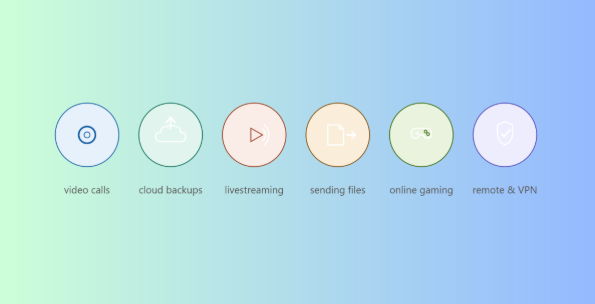
Certain everyday tasks lean heavily on upload bandwidth. Video conferencing, live streaming, cloud backup software, online gaming, and remote desktop tools all push a steady stream of data outward. Upload speed slow performance hits hardest during these tasks, since even a strong download connection can't compensate for a thin upstream pipe.
Common examples include:
- Video calls on Zoom, Teams, or Google Meet
- Uploading photos and videos to cloud storage
- Livestreaming on Twitch or YouTube
- Sending large files to clients or coworkers
- Online multiplayer gaming
- Remote desktop and VPN connections
What Upload Speed Is Considered Slow?
There's no single number that defines "slow," but a few benchmarks help. The FCC raised its minimum broadband standard in 2024 to 100 Mbps download and 20 Mbps upload, replacing the older 25/3 Mbps benchmark from 2015. If your upload speed sits below 3-5 Mbps, most video calls will start to struggle. Below 10 Mbps, cloud backups and large file transfers take noticeably longer than they should.
Why Is My Upload Speed So Slow?
An upload rate that is slow doesn't have only one reason behind it. It's the result of various issues related to your plan setup, the setup of your home network, and hidden bandwidth competitors.
Before accusing your Internet Service Provider, you should consider more obvious reasons which are more likely to be solved. Let me list the top eight of them.
Your Internet Plan Has Low Upload Bandwidth
In general, the vast majority of plans with cable and DSL technology have asymmetrical speeds, which means that the upload speed capacity will always be much lower compared to the download speed capacity. For example, a 300 Mbps cable Internet plan may have just 10-20 Mbps of upload speed, because providers use the vast majority of available bandwidth for downloading data. If you experience low upload speed, check your upload speed in your plan.
Weak Wi-Fi Signal or Wireless Interference
Wi-Fi is more sensitive to interference on the upload side than most people realize. Thick walls, microwaves, baby monitors, and neighboring routers on the same channel all chip away at your signal strength. Sit far from your router, or behind several walls, and your device may upload at a fraction of its real potential.
Too Many Devices Using the Connection
Every connected device shares the same upstream pipe. Smart TVs, phones, laptops, and smart home gadgets all compete for limited upload bandwidth, even while just idling and checking for updates in the background. The more devices active at once, the thinner that pipe gets split.
Background Uploads and Cloud Backup Services
Cloud backup tools like Google Photos, iCloud, and Dropbox often sync silently in the background. They can quietly consume most of your available upload bandwidth without any visible warning on screen. Check your system tray or settings menu. You might find a backup job running at the exact moment you need that bandwidth most.
Network Congestion During Peak Hours
Cable connections share bandwidth with your neighbors through a local node, and that shared capacity stretches thin during busy periods. Between 7 PM and 11 PM, when everyone's streaming, gaming, and backing up files at once, your upload speed can noticeably dip. Fiber connections rarely suffer this problem, since they don't share upstream capacity the same way.
Outdated Router, Modem, or Network Hardware
Older routers and modems weren't built to handle today's upload demands, especially if they're several years old or a basic starter unit from your ISP. Outdated router firmware, weak antennas, and aging hardware all throttle your real-world upload performance below what your plan technically allows.
ISP Throttling or Service Problems
Some providers intentionally slow certain types of traffic during high-usage periods, a practice known as ISP throttling. Others simply deal with line faults, aging infrastructure, or local service issues that quietly degrade upload performance. A wired speed test compared against your plan's promised numbers usually reveals whether this is happening.
Malware, VPNs, or Device Performance Issues
Malware running in the background can hijack your bandwidth for its own purposes, whether that's sending data out or joining a botnet. A VPN adds encryption overhead too, which can meaningfully cut your effective upload speed, especially on cheaper or overloaded servers. If one specific device seems slower than the rest, start your search there.
Upload Speed Slow but Download Speed Fast: What It Means
It's one of the most common complaints: downloads fly, but uploads crawl. That gap isn't a malfunction. In most cases, it's exactly how your connection was built to behave from day one.
Understanding why helps you figure out whether the fix sits on your end or your provider's.
Why Most Internet Plans Have Lower Upload Speeds
Cable and DSL connections split available bandwidth unevenly between downstream and upstream traffic, a holdover from how these networks were originally engineered for cable TV and phone signals. Fiber internet is the exception, since it can deliver symmetrical speeds where upload matches download exactly. If you're on cable or DSL, some gap between your download and upload numbers is completely normal, not a sign that something's broken.
How to Identify a Wi-Fi-Specific Upload Problem
If your wired upload speed looks healthy but Wi-Fi upload speed is slow, the problem sits with your wireless setup rather than your plan. Run a test connected directly to your router with an Ethernet connection, then run the same test over Wi-Fi from that same spot. A big gap between the two results points squarely at your wireless network.
When the Issue May Be With Your ISP
If your wired test still falls well short of your plan's advertised upload speed, even after ruling out background apps and old hardware, the issue likely sits upstream with your provider. A shortfall that repeats across multiple days and times of day is a strong signal it's time to call them.
How to Test Your Upload Speed Accurately
A rushed speed test gives you a misleading number. If you want an accurate read on whether your upload speed is slow, a little preparation goes a long way.
These four steps will get you a result you can actually trust and compare against your plan.
Disconnect or Pause Background Apps
Close cloud backup tools, pause downloads, and quit anything that might quietly use bandwidth in the background. Even a single photo backup running silently can skew your results significantly.
Test on a Wired Ethernet Connection
Plug directly into your router or modem with an Ethernet cable before testing. This removes Wi-Fi interference from the equation entirely, giving you the true ceiling of what your plan can deliver.
Run Tests at Different Times of Day
Test once in the morning, once at midday, and once during evening peak hours. If your upload speed is slow only in the evening, that points to network congestion rather than a hardware or plan issue.
Compare Test Results With Your Internet Plan
Pull up your plan details and compare your wired results against the promised upload number. A small gap of 10-15% is normal, but a consistent shortfall of 50% or more is worth escalating to your provider.
How to Fix Slow Upload Speed
Once you've identified likely causes, fixing a slow upload speed usually comes down to a handful of practical steps. Start with the free, quick fixes before you consider a plan upgrade.
Work through this list roughly in order. Most people find their answer within the first five.
Restart Your Modem and Router
A simple restart clears temporary glitches, refreshes your connection to your ISP, and often resolves upload slowdowns within minutes. Unplug both devices, wait 30 seconds, then power the modem back on first, followed by the router.
Use an Ethernet Cable Instead of Wi-Fi
Wired connections consistently beat Wi-Fi for upload speed, since they aren't affected by interference, distance, or competing wireless signals nearby. If your device sits near your router, a cheap Ethernet cable can make a bigger difference than anything else on this list.
Pause Cloud Sync, File Sharing, and Automatic Updates
Manually pause backup software, file-sharing apps, and automatic updates before any task that needs your full upload bandwidth. Most cloud tools let you schedule syncing for overnight hours instead, so it never competes with you during the day.
Improve Wi-Fi Signal and Reduce Interference
Move your router to a central, elevated spot away from walls, appliances, and other electronics that cause interference. Switching to the 5GHz band, where available, also cuts down on congestion from neighboring networks on the crowded 2.4GHz channel.
Limit Unnecessary Connected Devices
Disconnect idle devices, or set up a guest network for smart home gadgets that don't need much bandwidth day to day. Fewer devices actively competing for upstream bandwidth means more of it stays available when you actually need it.
Update Router Firmware and Network Drivers
Manufacturers regularly release firmware updates that fix performance bugs and improve throughput, including how uploads get handled. Check your router's admin panel or app for pending updates, and update your computer's network drivers while you're at it.
Replace Old Router, Modem, or Ethernet Cables
Hardware more than five years old often can't keep pace with modern upload demands, even if your plan technically supports faster speeds. An outdated Ethernet cable rated below Cat5e can bottleneck your connection unexpectedly too.
Disable VPN Temporarily and Scan for Malware
Turn off your VPN and re-test to see how much overhead it's adding to your upload speed. Then run a full malware scan, since hidden background processes are a surprisingly common cause of unexplained slowdowns.
Contact Your Internet Service Provider
If you've worked through the list above and your upload speed is still slow, it's time to call your ISP. Share your wired test results and ask directly whether there's a known outage, line issue, or throttling policy affecting your account.
Upgrade to a Plan With Higher Upload Speeds
If your current plan simply doesn't include enough upload bandwidth for how you use the internet, upgrading is the most direct fix available. Ask specifically about fiber availability in your area, since it typically offers symmetrical speeds at a similar price point to cable.
Upload Speed by Connection Type
| Connection Type | Typical Upload Speed | Upload Style |
|---|---|---|
| Fiber | Matches download speed | Symmetrical |
| Cable | 10-50 Mbps | Asymmetrical |
| DSL | 1-20 Mbps | Asymmetrical |
| 5G Fixed Wireless | 10-35 Mbps | Asymmetrical |
| Satellite (e.g., Starlink) | 5-25 Mbps | Asymmetrical |
When Should You Contact Your ISP?
Not every upload problem needs a call to your provider. But certain patterns are strong signals that the issue genuinely sits on their end.
Here are four situations where reaching out makes sense.
Your Wired Test Is Below the Plan's Promised Upload Speed
If a clean, wired test consistently falls short of what you're paying for, your provider needs to know about it. Save a few timestamped test results before you call, since it speeds up the troubleshooting process considerably.
The Problem Happens Across Multiple Devices
When every device on your network shows the same upload speed slow pattern, the cause almost certainly sits outside your home, whether that's your modem, the line, or the provider's network.
Upload Speed Drops at Certain Times Every Day
A predictable dip at the same time daily, especially evenings, points to network congestion your ISP can potentially address through capacity upgrades in your area.
There Is a Local Outage or Line Fault
Physical line damage, weather events, or localized outages can degrade upload speed without cutting your connection entirely. Your provider can often check for these issues remotely, sometimes before you even notice a full outage.
FAQs About Slow Upload Speed
Why Is My Upload Speed Slower Than My Download Speed?
Most home internet plans are asymmetrical by design, giving far more bandwidth to downloads than uploads. This is standard for cable and DSL, though fiber connections typically offer matching speeds in both directions.
Can a Router Cause Slow Upload Speed?
Yes. An outdated router, weak firmware, or poor placement can all bottleneck your upload speed even when your plan supports much faster performance.
Why Is My Upload Speed Slow Only on Wi-Fi?
This usually points to interference, distance from the router, or too many devices sharing the wireless band. A wired test will confirm whether Wi-Fi is the actual bottleneck.
Is 5 Mbps Upload Speed Good Enough?
It's enough for basic video calls and light file sharing, but it will feel slow for cloud backups, livestreaming, or sending large files regularly.
Does Ethernet Improve Upload Speed?
Almost always, yes. A wired Ethernet connection removes wireless interference and typically delivers faster, more consistent upload speeds than Wi-Fi.
Can Too Many Devices Slow Down Upload Speed?
Definitely. Every active device shares the same upload bandwidth, so a household full of syncing phones, laptops, and smart devices can noticeably thin out what's left for you.
Final Thoughts
A slow upload speed is frustrating, but it's rarely a mystery once you know where to look. Start with the basics: a wired test, a router restart, and a quick check for background apps quietly eating your bandwidth. Most people find their answer within the first few steps, long before a call to their ISP becomes necessary.
If you've ruled out the common culprits and your upload speed is still slow, the pattern of the problem tells you where to look next. A gap between Wi-Fi and wired results points to your network. A consistent shortfall against your plan's promised speed points to your provider. Either way, you now have the tools to test properly